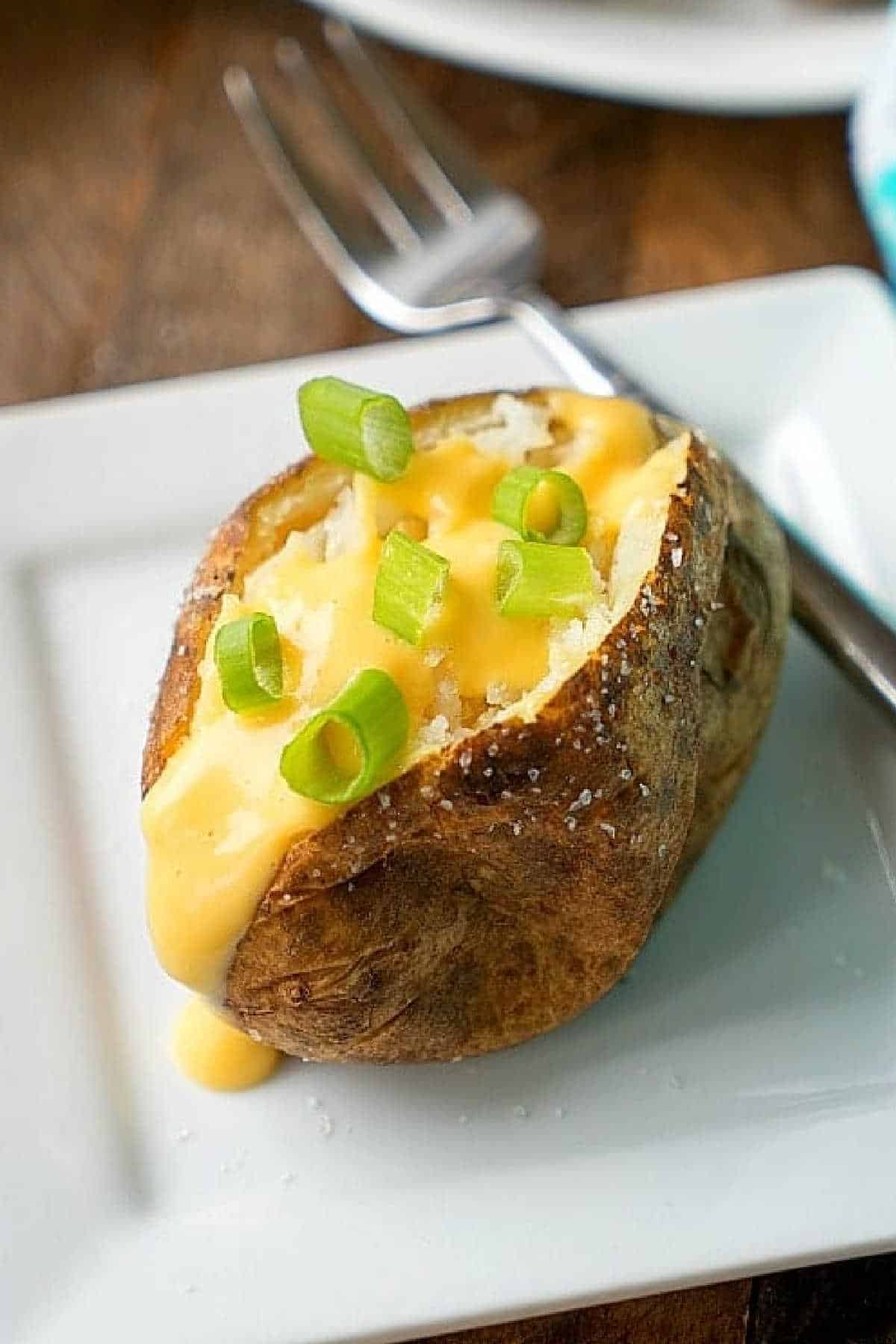
Unlock the Secret to Perfect Crockpot Baked Potatoes: Foil vs. No Foil Explored
Imagine a baked potato so incredibly fluffy, with a tender interior that practically melts in your mouth, all achieved with minimal effort and without turning on your oven. This isn't a culinary dream; it's the reality of crockpot baked potatoes. Utilizing your slow cooker is a game-changer for this beloved comfort food, freeing up oven space and delivering consistent results every time.
However, a common debate among slow cooker enthusiasts revolves around a crucial question: should you wrap your potatoes in foil or let them cook naked in the crockpot? Each method has its proponents and distinct outcomes, especially concerning the texture of the potato skin. In this comprehensive guide, we'll delve into both approaches, offering insights, tips, and a clear recommendation to help you achieve your ideal crockpot baked potato.
The Undeniable Allure of Crockpot Baked Potatoes
Beyond convenience, there are numerous reasons why slow cooker baked potatoes have become a staple in many households. For starters, they are the epitome of hands-off cooking. Simply prepare your potatoes, set your slow cooker, and let it work its magic while you go about your day. This makes them an ideal choice for busy weeknights or when you need to prepare a meal ahead of time.
The slow cooker method excels at creating an incredibly fluffy interior. The extended, gentle cooking process allows the starches in the potato to break down beautifully, resulting in a light, airy texture that's often superior to oven-baked versions. This consistent fluffiness makes them a fantastic base for a myriad of toppings, transforming a simple side dish into a hearty main meal.
Moreover, crockpot baked potatoes are incredibly budget-friendly and perfect for feeding a crowd. Hosting a gathering? Forget the stress of coordinating oven times. A slow cooker full of tender potatoes can be a showstopper, especially when paired with a vibrant baked potato bar. Imagine a spread of chili, cheese, sour cream, chives, bacon bits, and even pulled pork – allowing everyone, from the youngest guests to grandmas, to customize their perfect potato creation. It’s casual entertaining at its very best, offering warmth and satisfaction without breaking the bank.
Choosing Your Spud: The Best Potatoes for the Slow Cooker
While various potato types can be used, the humble Russet potato truly shines in the slow cooker. Here's why:
- Size and Shape: Russets are typically uniform in size and have an oblong shape, making them ideal for holding plenty of toppings once baked. Their consistency also aids in even cooking.
- Starch Content: Their high starch content is key to achieving that desirable fluffy, light interior texture that slow cooking excels at.
- Skin: Russet skins are robust and firm, providing a good structure even after hours of slow cooking. When properly prepared and seasoned, the skin can be quite flavorful, too.
- Affordability: They are one of the most common and inexpensive potato varieties, making them a practical choice for everyday meals or large gatherings.
While you could use red potatoes or Yukon golds, russets are generally recommended for their superior ability to deliver that classic, fluffy baked potato experience. Aim for medium-sized potatoes (around 4-6 ounces each) that fit comfortably in your slow cooker without overcrowding.
Foil vs. No Foil: A Deep Dive into Crockpot Baked Potato Methods
This is where the debate truly heats up. The choice between wrapping your potatoes in foil or not significantly impacts the final texture of the skin and, to a lesser extent, the interior fluffiness. Let's explore both methods in detail:
Method 1: Crockpot Baked Potatoes in Foil (Recommended for Optimal Fluffiness)
This method involves individually wrapping each prepared potato in aluminum foil before placing it in the slow cooker. Here’s why it's often the preferred choice for crockpot baked potatoes:
- Prevents Soggy Skins: The slow cooker is a moist environment, and condensation naturally accumulates during cooking. Wrapping potatoes in foil acts as a protective barrier, preventing the skins from becoming wet, sticky, or mushy. This is arguably the biggest advantage.
- Locks in Moisture for Fluffiness: While slow cooking inherently produces fluffy potatoes, the foil wrapper helps to trap steam around the potato. This creates an even more moist cooking environment, ensuring an exceptionally tender and fluffy interior.
- Easy Cleanup: The foil contains any potential mess from oil or seasoning, making cleanup of your slow cooker pot a breeze.
- Keeps Warm Longer: Potatoes wrapped in foil tend to stay warm for an extended period after cooking, which is ideal if you're serving them at a party or want to enjoy them over time.
How to Prepare with Foil:
- Wash and thoroughly scrub your russet potatoes. Pat them completely dry.
- Using a fork, prick each potato 4-5 times around its surface. This allows steam to escape during cooking and prevents bursting.
- Lightly rub each potato with olive oil (or avocado oil).
- Sprinkle generously with coarse kosher salt. The larger granules stick well and provide excellent flavor to the skin.
- Wrap each potato tightly in a single layer of aluminum foil.
- Place the wrapped potatoes in your slow cooker. Ensure there's a little space for air circulation; avoid packing them too tightly.
- Cook on LOW for 6-8 hours or on HIGH for 3-4 hours, until fork-tender. The lower setting is often preferred for more even cooking and optimal fluffiness.
Method 2: Crockpot Baked Potatoes Without Foil
Cooking crockpot baked potatoes without foil is possible, but it comes with a significant caveat regarding skin texture. While some might prefer this for less waste, the primary challenge is dealing with condensation.
- Risk of Wet/Mushy Skins: Without the protective foil, the potato skins are directly exposed to the steam and condensation inside the slow cooker. This almost inevitably leads to damp, soft, and potentially mushy skins, far from the crispy texture one might desire from a traditional oven-baked potato.
- Requires a Trivet: To prevent the potatoes from sitting directly in any liquid that accumulates at the bottom of the pot, you must use a trivet or steamer rack. This elevates the potatoes, allowing for better air circulation (though still limited) and reducing direct contact with moisture.
How to Prepare Without Foil:
- Wash, scrub, and thoroughly dry your potatoes. Prick them with a fork.
- Rub with olive oil and season generously with kosher salt.
- Place a trivet or steamer rack at the bottom of your slow cooker.
- Arrange the potatoes on the trivet in a single layer if possible, ensuring they don't touch the sides or bottom of the slow cooker directly.
- Cook on LOW for 6-8 hours or on HIGH for 3-4 hours, until fork-tender.
Addressing Crispy Skins: It's crucial to understand that the slow cooker's moist environment is fundamentally at odds with achieving truly crispy potato skins. If crispy skin is your ultimate goal, the slow cooker, even without foil, is not the ideal tool for the entire cooking process. For that satisfying crunch, consider these alternatives:
- Finish in the Oven/Air Fryer: After your potatoes are fork-tender from the slow cooker (especially the foil method, as they'll be cooked through), remove them from the foil, brush with a little more oil, and place them under a broiler for 5-10 minutes, or in an air fryer at 400°F (200°C) for 10-15 minutes, until the skin crisps up to your liking.
- Pressure Cooker First: As an alternative, a pressure cooker can cook potatoes quickly, resulting in less moisture exposure for the skin. Then, transfer them to an air fryer or broiler to finish.
Essential Ingredients & Preparation for Success
Regardless of whether you choose foil or no foil, the foundational preparation steps are key to delicious crockpot baked potatoes:
- Potatoes: As discussed, Russet potatoes are highly recommended for their fluffy texture and firm skins. Choose ones of similar size for even cooking.
- Olive Oil (or Avocado Oil): A light coating of oil helps the salt adhere to the skin, promotes a more even "bake," and enhances the flavor of the skin. Avocado oil is a nutritious alternative.
- Kosher Salt: Its larger granules adhere beautifully to the oiled skin, providing a fantastic savory flavor that makes the skin enjoyable to eat. Avoid fine table salt, which can be too overpowering.
Key Preparation Steps:
- Wash and Scrub: Thoroughly clean your potatoes under running water. Use a vegetable brush to remove any dirt.
- Dry Completely: Pat the potatoes completely dry with a paper towel. This is vital for oil adhesion and preventing overly soggy skins, even with foil.
- Prick Them: Use a fork to pierce each potato several times. This allows steam to escape and prevents the potato from potentially bursting.
- Oil and Salt: Rub each potato generously with oil, then sprinkle with kosher salt. Don't be shy; the salt truly elevates the flavor.
- Arrangement: Arrange potatoes in your slow cooker. If using foil, you can stack them a bit more, but always try to leave some room for heat circulation. If not using foil, ensure they are on a trivet and not overcrowded.
Creative Ways to Enjoy Your Crockpot Baked Potatoes
Once your crockpot baked potatoes are perfectly fluffy and tender, the culinary possibilities are endless:
- The Classic Potato Bar: As mentioned, this is a crowd-pleaser. Offer a variety of toppings like shredded cheddar, sour cream, green onions, bacon bits, homemade chili, steamed broccoli, pulled pork, or even a spicy salsa.
- Stuffed Potatoes: Scoop out some of the fluffy interior, mix it with cheese, bacon, and chives, then refill the potato shells and bake for a few minutes to melt the cheese.
- Side Dish Extraordinaire: A simple butter, salt, and pepper topping is often all you need to complement any main course, from grilled chicken to a hearty steak.
- Meal Prep Powerhouse: Cook a batch of potatoes at the beginning of the week. Reheat them quickly in the microwave or air fryer for an easy side or base for a quick lunch.
Conclusion
For truly effortless, perfectly fluffy, and consistently tender crockpot baked potatoes, the foil method emerges as the clear winner. While the slow cooker might not yield the crispy skin of an oven-baked potato, wrapping them in foil masterfully addresses the issue of condensation, ensuring a delightful interior and a palatable, non-soggy skin. This simple technique transforms a basic vegetable into a comforting, versatile dish perfect for any occasion. So next time you crave that warm, starchy goodness, turn to your slow cooker, embrace the foil, and prepare to enjoy the easiest, most delicious baked potatoes you've ever made.
